
Follow Me On Social Media!
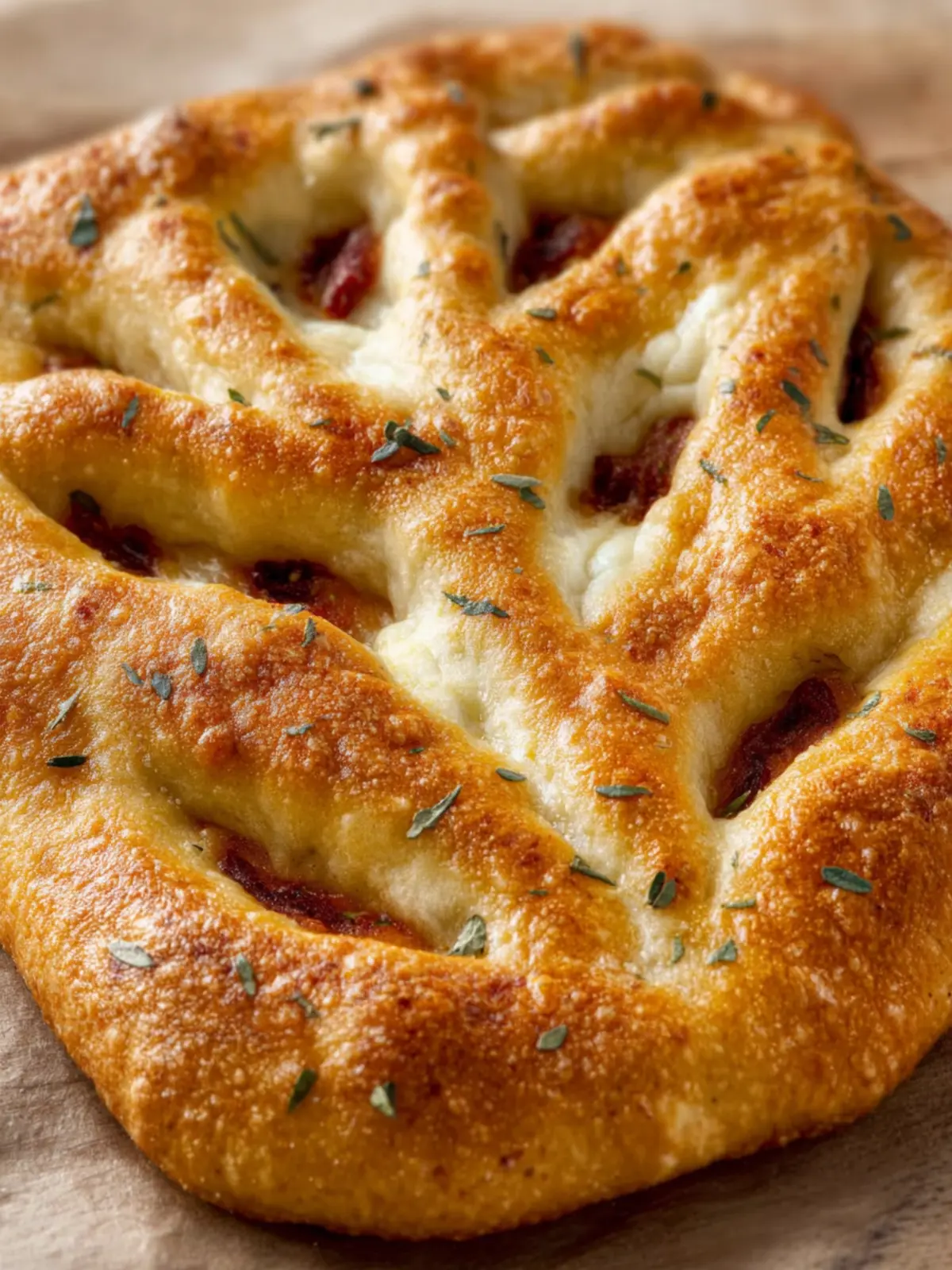
Fougasse Recipe: Irresistibly Soft and Flavor-Packed Delight

Introduction to Fougasse
Baking fougasse is like inviting a piece of the French countryside into your kitchen. This distinctive bread invites you to explore its rich history while embracing its artisanal, rustic appeal. Originating from the Provence region, fougasse is uniquely characterized by its delightful texture and the way it intertwines flavors. The bread is not just a delicious treat; it’s a canvas for creative toppings and flavor pairings, transforming each loaf into a one-of-a-kind masterpiece.
What makes fougasse a unique bread experience?
The uniqueness of fougasse lies in its method of preparation and presentation. Unlike regular bread that’s shaped into a loaf or rolls, fougasse is typically flattened into a broad, leaf-like form and scored with characteristic slashes. This not only makes for a stunning visual presentation but also creates surface area for crispy edges and a slightly chewy interior—a combination that is hard to resist. Its rustic appearance, when adorned with toppings like olives, herbs, or cheese, can elevate any meal or gathering.
The versatility of fougasse sets it apart. Picture this: you’re hosting friends for dinner and want to serve something special. The aroma of fresh fougasse wafting through your home can captivate your guests long before the meal begins. It’s perfect as a standalone snack or as an accompaniment to dips, soups, or salads.
What’s more, fougasse is also easy to customize based on your palate. Want something savory? Incorporate sun-dried tomatoes, olives, or even caramelized onions. Prefer a hint of sweetness? Try adding rosemary and sea salt with a drizzle of honey! This versatility means that even novice bakers can experiment with different ingredient pairings, making it an enjoyable and rewarding baking endeavor.
In summary, this fougasse recipe is not just about making bread; it’s about connecting with tradition, igniting creativity, and savoring the simple pleasures of home-baked goodness. Whether you’re new to baking or a seasoned pro, you’ll find that making fougasse is an experience that enriches both your kitchen and your table.
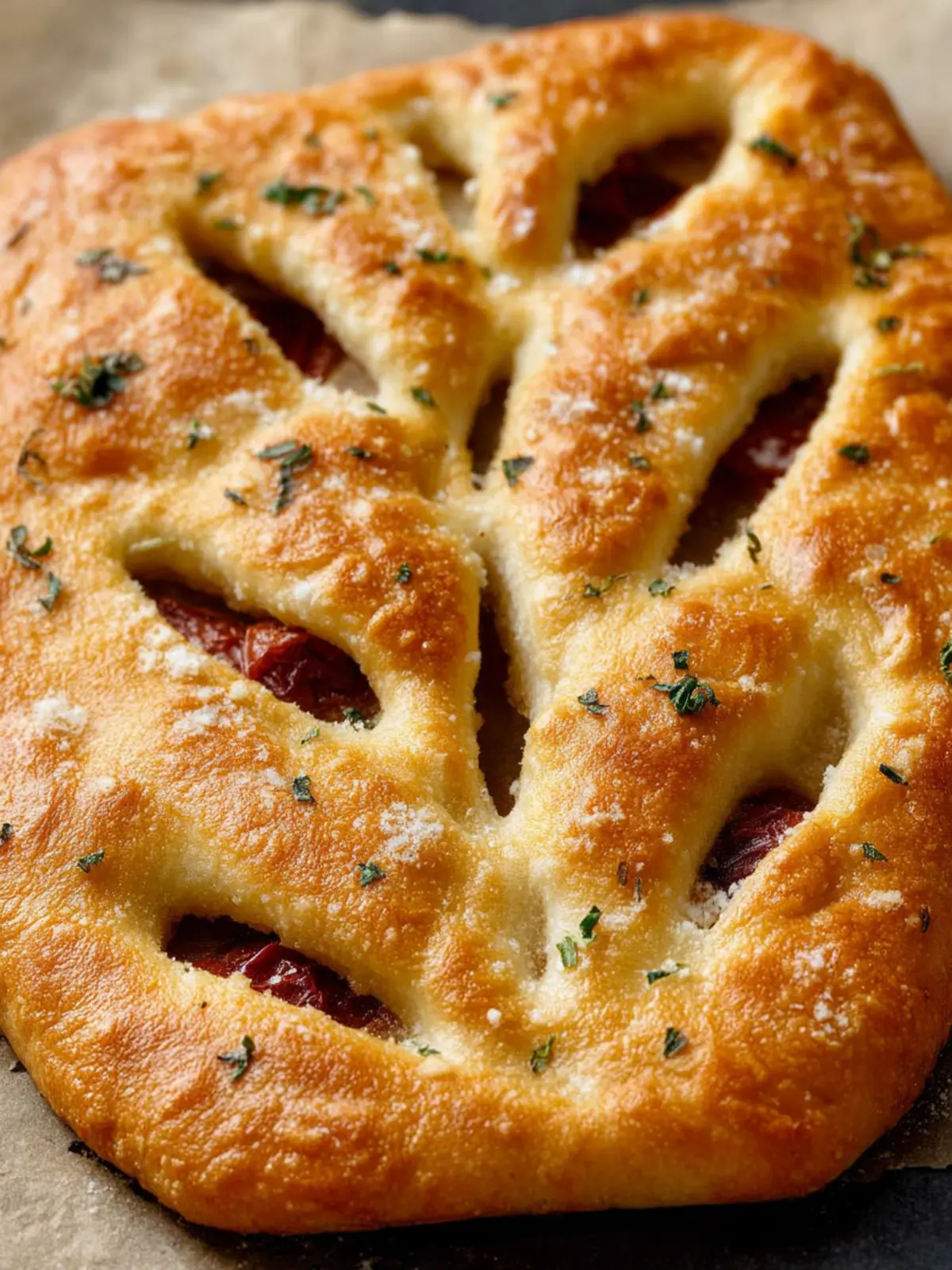
Key Ingredients for Fougasse
Making a delightful fougasse means selecting the right ingredients to elevate its flavor and texture. This aromatic bread, often resembling a beautiful leaf or flower, is a wonderful addition to any meal. Here’s a closer look at the essentials for an exquisite fougasse recipe.
-
Flour: I always opt for high-protein bread flour to achieve that perfect chewy texture that fougasse is known for. All-purpose flour can work in a pinch, but the elasticity won’t be the same.
-
Water: Hydration is crucial. I love using warm water to encourage the yeast to activate, ensuring our dough rises beautifully, creating that signature airy crumb.
-
Yeast: Fresh yeast yields a better flavor than dry yeast, but instant yeast can be more convenient. The key is to allow it to work its magic through proofing, developing deeper flavors.
-
Olive Oil: A generous splash of high-quality olive oil not only enhances the dough’s richness but also offers a fruity aroma that’s simply irresistible.
-
Salt: I use sea salt, as it balances the bread’s flavors while also strengthening the gluten structure, giving our fougasse that iconic texture.
-
Herbs and Toppings: For a distinctive touch, I like to include fresh herbs like rosemary or thyme, and sometimes even olives or cheese for added depth. These ingredients lend a beautiful aesthetic and amplify the taste.
By carefully selecting these ingredients, your fougasse will not only look stunning but also become a flavor-packed centerpiece for any dining experience.
Why You’ll Love This Fougasse Recipe
The tantalizing aroma of freshly baked fougasse wafting through your kitchen is enough to make anyone’s mouth water. This delightful bread, with its crispy exterior and soft, airy interior, carries a story that dates back to ancient times. Each bite evokes memories of rustic European bakeries and cozy family meals, making it an essential addition to your culinary repertoire.
A Bread for All Occasions
What makes this fougasse recipe so special? For starters, it’s incredibly versatile. Whether you’re enjoying it as a simple snack, an elegant appetizer, or as the star of a lavish dinner spread, this bread fits right in. You can customize it with various fillings and toppings, from fragrant herbs to gooey cheeses, tailoring it to your taste preferences.
Easy to Make
You don’t need to be a seasoned baker to tackle this recipe. The straightforward instructions allow even beginners to create something truly impressive. Plus, the dough requires minimal hands-on time, meaning you can mix, let it rise, and then focus on other tasks while it works its magic.
A Perfect Addition to Gatherings
Imagine serving slices of warm fougasse at your next gathering, enticing friends and family with its rustic charm. Its stunning appearance—with slashes resembling the leaves of a tree—makes for an impressive presentation. Each loaf invites conversation and compliments, making it a delight to share.
Once you try this fougasse recipe, you’ll see why it deserves a spot in your kitchen. It’s not just about sustenance; it’s about bringing people together around the table, leaving them with happy memories and full bellies.
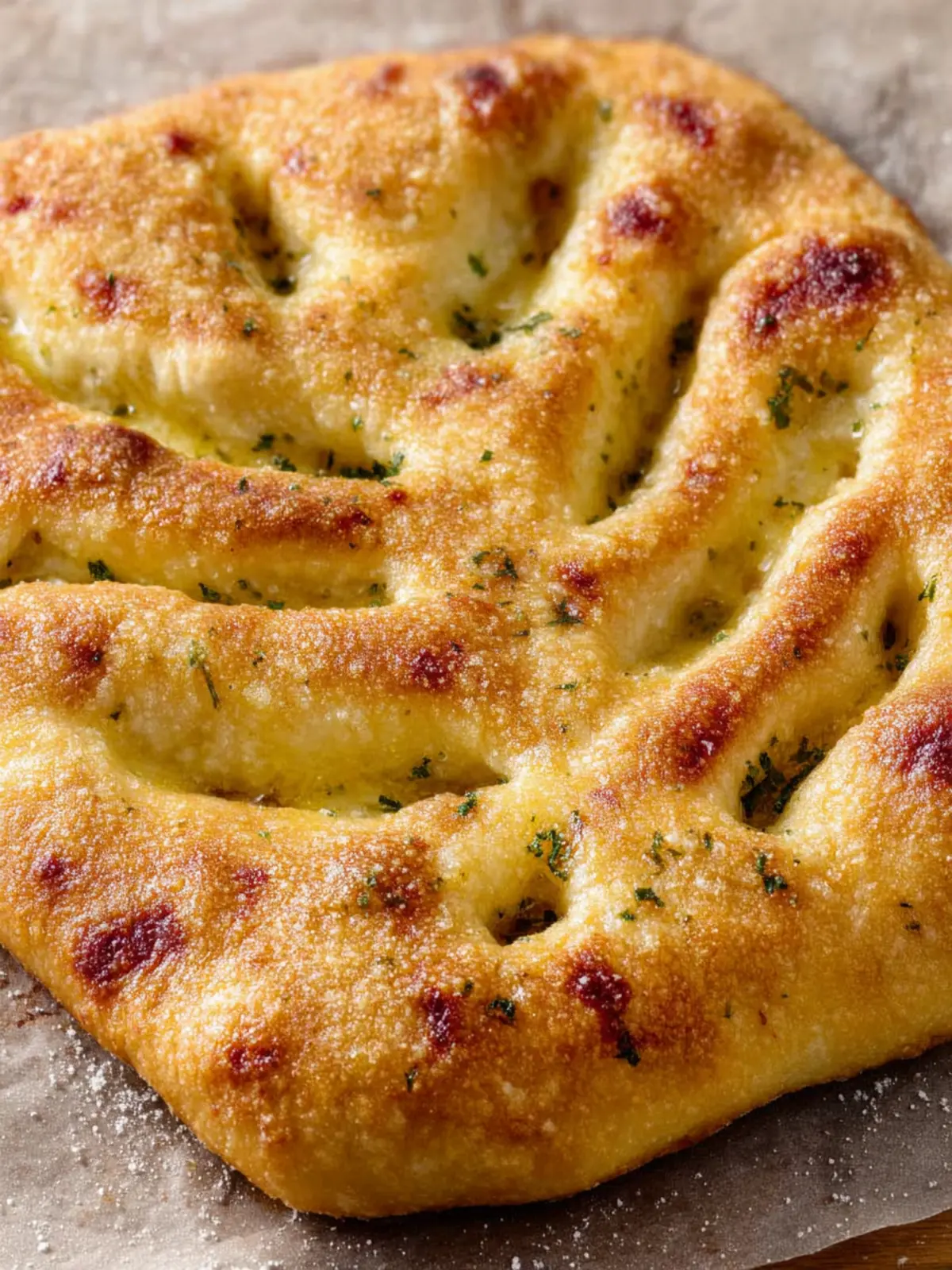
Tips for Making Perfect Fougasse
Creating the perfect fougasse is as much about technique as it is about the ingredients. With a few tips, you can elevate your baking game to new heights!
Pay Attention to the Dough
The foundation of your fougasse recipe lies in the dough. Make sure you’re using high-quality bread flour for an ideal texture. Bread flour has a higher protein content than all-purpose flour, resulting in a chewier and more flavorful loaf.
-
Kneading: Don’t skip the kneading step! Allowing the dough to develop gluten by kneading for about 10 minutes gives your fougasse that signature airy texture.
-
Hydration: A wetter dough often leads to a lighter, more open crumb. If you’re comfortable, increase the water content slightly beyond the recipe’s recommendation.
Shaping Your Fougasse
The authentic look of fougasse comes from how it’s shaped. After the first rise, gently flatten your dough into a rectangle, then use your fingers to make deep slashes. This not only helps the dough expand during baking but also adds a rustic charm.
Experiment with Flavors
While the classic fougasse is delightful, don’t hesitate to add extra ingredients. Incorporating olives, herbs, or even cheese can provide an exciting flavor boost. Just be careful not to overload your dough—balance is key.
Baking Tips
For that golden, crispy crust, consider using a baking stone or a pizza stone. Preheat it in your oven to help mimic the conditions of a traditional bread oven. And don’t forget to create steam in the oven! Place a pan of water at the bottom during baking to enhance the crust’s texture and prevent it from becoming too dry.
With these tips, your fougasse will not just be good—it will be unforgettable! Happy baking!
Time Breakdown for Fougasse
Making a delightful fougasse is not just about the ingredients; it’s an experience that melds your time and effort into a beautiful, aromatic loaf. Here’s how to break down your time effectively:
Preparation Time
To whip up your fougasse recipe, allocate about 20 minutes for preparation. This includes mixing the ingredients and kneading the dough until it’s smooth and elastic.
Rise Time
Patience is key during the rise time, which takes approximately 1 to 1.5 hours. This is when the dough transforms, expanding and filling your kitchen with the promise of warm bread.
Baking Time
Once your dough has risen, it’s time for baking, which will take around 20-25 minutes in a preheated oven. You’ll want to watch for a golden-brown crust that invites you to dive in.
Total Time
In total, you’re looking at about 2 to 2.5 hours from start to finish. This includes all the waiting and watching that makes the fougasse so worth it. Enjoy the process, and the delicious results!
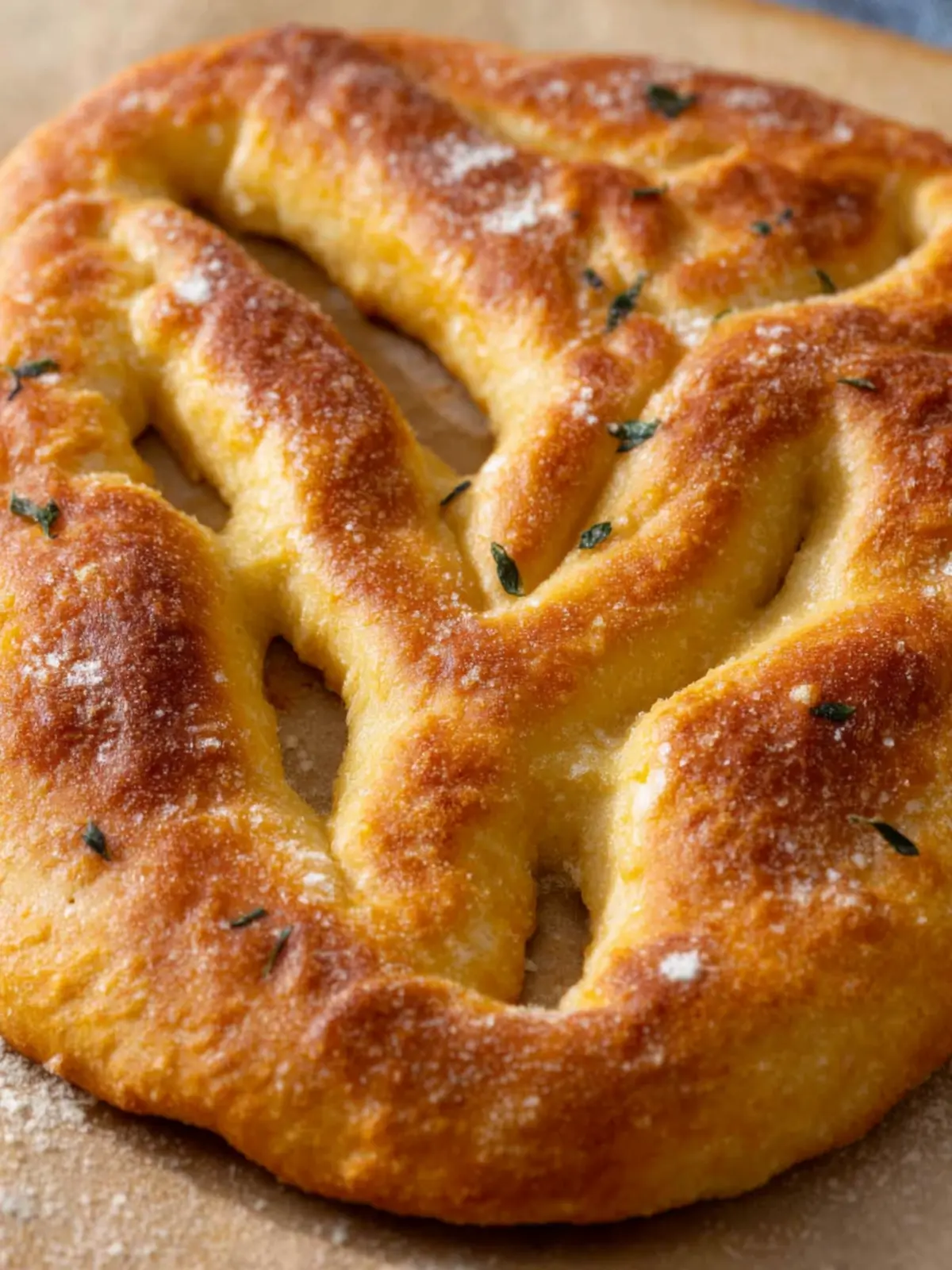
Nutritional Information for Fougasse
Enjoying a fougasse recipe not only delights the taste buds but also provides valuable nutritional benefits. This traditional French bread is perfect as a starter, snack, or accompaniment to meals. Here’s a quick breakdown of its nutritional profile:
Calories
A standard serving of fougasse contains approximately 180-220 calories. These calories primarily come from carbohydrates, making it a great energy source.
Protein
Fougasse isn’t just delicious; it also has about 5-7 grams of protein per serving. The combination of flour and yeast helps create this lovely balance.
Sodium
Be mindful of sodium levels, as a single serving typically contains around 300-400 mg of sodium. Depending on how much salt you add, you can adjust this to fit your dietary needs.
Understanding the nutritional aspects can enhance your fougasse experience, ensuring it’s an enjoyable and balanced addition to your meals.
FAQs about Fougasse
Digging into a fougasse recipe invites you into a world where bread-making becomes less of a chore and more of an art. With its flavor-packed center and golden, crispy exterior, fougasse is not just food; it’s an experience! Questions often arise surrounding this delightful bread. Let’s address a few common queries.
What can I do with leftover fougasse?
If your fougasse doesn’t vanish the moment it leaves the oven (as if that were possible!), don’t fret! Leftover fougasse can be transformed rather delightfully:
- Toast and Dip: Slice it and toast the pieces for a crunchy treat. Serve with olive oil, balsamic vinegar, or a flavorful dip.
- Sandwich Base: Use fougasse as a base for sandwiches; its structure can hold hearty fillings.
- Croutons: Cut it into cubes, toss with olive oil and herbs, then bake until crispy to make croutons for salads or soups.
Can I use whole wheat flour exclusively in this recipe?
Absolutely! Whole wheat flour can add a nutty flavor and increase the nutritional value of your fougasse. However, since whole wheat flour absorbs more water, you might want to adjust the liquid in your recipe slightly. Try blending it with all-purpose flour if you’re looking for a lighter texture.
How should I store my fougasse, and how long will it last?
To keep your fougasse at its best:
- Storage: Wrap it in a clean kitchen towel, then place it in a bread box or a paper bag to keep it fresh.
- Freezing: If you need to preserve it longer, slice and freeze it in an airtight bag. Just pop it in the toaster when you’re ready for a quick snack!
When stored properly, your fougasse will last about 2-3 days at room temperature and up to three months in the freezer. Enjoy your baking!
Conclusion on Fougasse
Bringing your homemade fougasse to life is more than just baking bread; it’s about creating a connection with those you share it with. This traditional French bread, with its artful design and wonderful texture, can transform any meal or gathering into a special occasion. Embracing this fougasse recipe allows you to experiment with flavors and fillings, giving you the freedom to craft a bread that reflects your tastes and style. Remember, the warmth of fresh bread transports us to simpler times and brings smiles to faces. So, roll up your sleeves and enjoy the delightful journey of creating your very own fougasse!
Print
Fougasse
- Total Time: 12 hours 30 minutes
- Yield: 1 loaf 1x
Description
This Fougasse recipe results in a deliciously crusty bread with a soft interior, perfect for sharing or serving with meals.
Ingredients
Scale
- 1 cup bread flour (120g)
- 1/8 teaspoon instant yeast
- 1/2 cup water (120ml)
- 1 1/2 cups bread flour (180g)
- 1/2 cup whole wheat flour (57g)
- 1/2 cup water (120ml)
- 1 teaspoon instant yeast
- 1 tablespoon extra virgin olive oil
- 1 teaspoon kosher salt
Instructions
- Make the poolish. In a medium bowl, combine the flour, yeast, and water. Cover the bowl and let it sit at room temperature overnight, or 12 to 16 hours. The poolish will be bubbly and should have at least doubled in size.
- Make the dough. In the bowl of a stand mixer fitted with the dough hook attachment, add all of the poolish, bread flour, whole wheat flour, water, yeast, olive oil, and salt. Mix on low speed until no dry streaks of flour remain. Then, knead the dough on medium speed (speed 2 on a KitchenAid mixer) for 5 minutes, until it becomes elastic and somewhat smooth.
- First rise. Shape the dough into a taut ball. Grease a clean bowl lightly with olive oil and place the ball of dough in the bowl seam-side down. Cover and leave it in a warm spot to rise for 1 hour.
- Lift and fold the dough. Wet your hands or coat them lightly with olive oil to prevent the dough from sticking. Grab a portion of dough at the top of the bowl. Gently stretch it upwards, and fold it over the center. Rotate the bowl 90 degrees and repeat until you’ve gone around the whole bowl, completing 4 folds. Flip the ball of dough so the seam side is underneath. Cover and leave it in a warm spot to rise for 1 hour longer.
- Shape the dough. Place a 14×16-inch piece of parchment paper on a work surface. Lightly grease the parchment paper with olive oil. Turn the dough out onto the parchment paper and shape it into a triangle about 12 inches long by 6 inches wide at the base. Let it rise for 30 minutes.
- Slit the dough. Using a pizza wheel or a sharp knife, cut a slit down the center of the dough, stopping about 1 inch from each end. Then, make a few diagonal slits on each side of the center slit. Stretch each slit apart slightly, until they are about 2-inches wide, ensuring they stay separated after rising and baking. Let the dough rise for 30 minutes.
- Get ready to bake. While the dough is rising, place a baking stone on the middle shelf, and preheat the oven to 425°F.
- Bake the Fougasse. Using the parchment paper, carefully slide the fougasse onto a peel or the back of a sheet pan. Then, carefully slide the fougasse, along with the parchment paper, onto the baking stone. Bake the fougasse in the preheated oven for 25 to 30 minutes, or until it’s golden brown.
Notes
- This bread is best enjoyed fresh, but it can be stored in a paper bag at room temperature for a couple of days.
- You can also use a baking sheet instead of a baking stone if you don’t have one.
- Prep Time: 12 hours
- Cook Time: 30 minutes
- Category: Bread
- Method: Baking
- Cuisine: French
Nutrition
- Serving Size: 1 slice