Follow Me On Social Media!
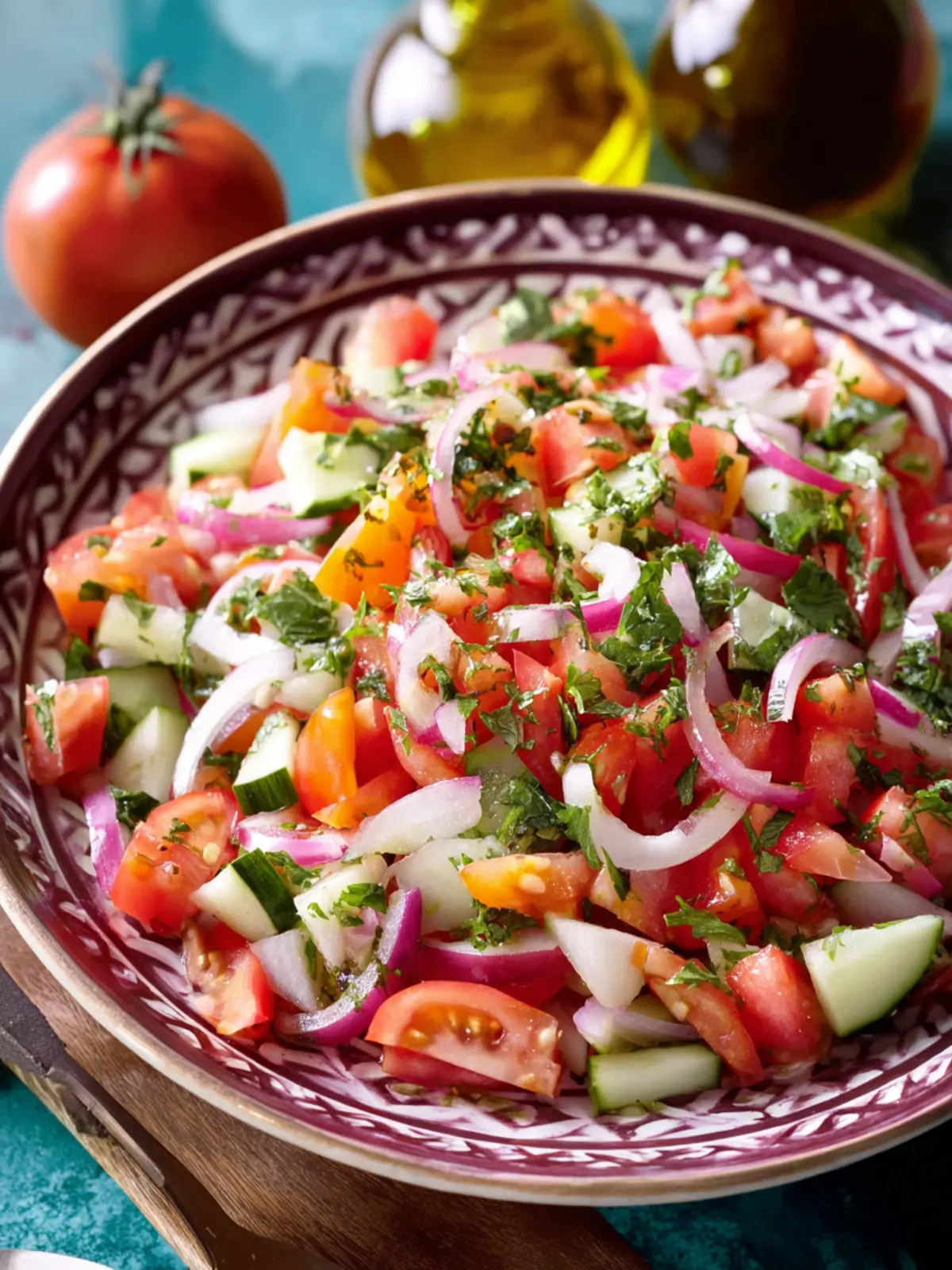
Arabic Salad: Bright & Fresh Flavors for Every Gathering

Introduction to Arabic Salad
There’s a certain magic in every bowl of Arabic salad, as it captures the essence of Mediterranean flavors in one delightful dish. Imagine vibrant vegetables mingling together, their freshness bursting with life. This salad reflects not just a meal, but a vibrant cultural experience, often served during family gatherings and joyful celebrations. As you explore this unique salad, you’ll discover how each ingredient contributes to a story of tradition and flavor, celebrating the warmth of Middle Eastern hospitality.
What makes Arabic salad so special?
One of the defining aspects of Arabic salad is its robust, fresh ingredients. The combination of chopped vegetables offers a medley of textures and flavors that simply awaken the palate. Here’s what gives this salad its unique flair:
- Freshness: This salad is all about fresh vegetables. Crisp cucumbers, ripe tomatoes, and fragrant herbs create a refreshing base that works perfectly as a side or light main dish.
- Flavorful Dressings: A drizzle of olive oil and a squeeze of lemon juice not only enhance the salad but also pay homage to the Mediterranean roots, offering a zesty contrast to the vegetables.
- Cultural Significance: In many Arab households, Arabic salad is a staple. It’s often seen as a communal dish, passed around the table, bringing everyone together over shared flavors.
- Versatility: While there are traditional elements, this salad can be customized according to personal preferences or seasonal ingredients. Adding ingredients like bell peppers, radishes, or even pomegranate seeds can offer new twists to the classic recipe.
As someone who has enjoyed Arabic salad on numerous occasions, I can attest to its unifying qualities. Whether served at a casual gathering or a festive feast, it’s a dish that encourages laughter and connection, evoking memories of shared meals with family and friends. The next time you prepare this salad, let it remind you not only of the flavors of the Mediterranean but also of those special moments spent at the dinner table, savoring life together.
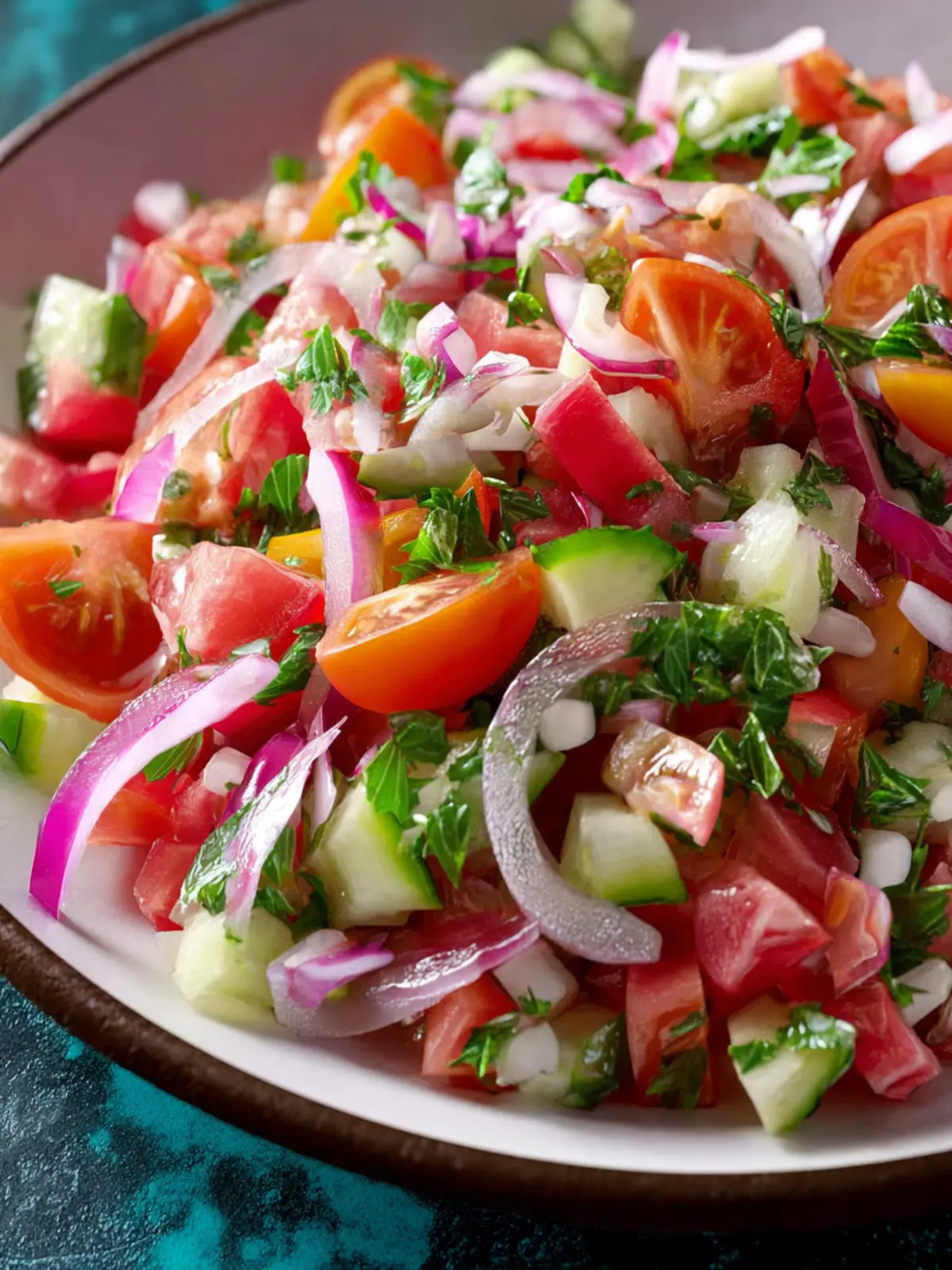
Key Ingredients for Arabic Salad
Fresh Vegetables: Arabic salad shines with its vibrant array of fresh vegetables. I recommend using crisp cucumbers, juicy tomatoes, and sweet bell peppers for the best crunch and flavor. Opt for locally sourced produce whenever possible; it captures the essence of the dish beautifully.
Red Onion: The sharpness of red onion adds depth to the salad. I like to slice it thinly and let it soak in a little lemon juice before mixing it with the other ingredients. This mellows the flavor, making it less overpowering.
Parsley: Fresh parsley is essential for that authentic touch. It not only enhances the earthy flavors but also adds a bright, fresh taste. A handful of chopped parsley elevates the salad from good to great!
Lemon Juice: The tangy zest from freshly squeezed lemon juice provides a refreshing lift. This ingredient is what binds all the flavors together harmoniously.
Olive Oil: A drizzle of high-quality olive oil adds richness to the salad. It complements the freshness of the vegetables and enriches the overall taste, ensuring each bite is as delightful as the last.
Why You’ll Love This Arabian Salad
An Arabic salad is more than just a side dish; it’s a celebration of fresh ingredients that bring vibrant flavors to your table. Imagine gathering with friends over a colorful platter, where each bite transports you to sun-drenched Mediterranean gardens filled with fragrant herbs and citrus aromas. This healthy and versatile salad not only beautifies any meal but also packs a nutritional punch, making it an ideal choice for busy professionals looking to eat well without sacrificing taste.
Fresh Ingredients Matter
-
Tomatoes: Juicy, ripe tomatoes are the stars of this salad. They provide a sweet and tangy base that contrasts beautifully with the other ingredients. Opt for in-season ones for maximum flavor.
-
Cucumbers: Crunchy cucumbers add refreshing texture. For an added nutrient boost, consider using Persian or English cucumbers, which are seedsless and have a thinner skin.
-
Parsley and Mint: Fresh herbs are essential. Parsley offers a peppery zest, while mint introduces a cooling sensation that complements the acidity of the dressing.
Versatility Is Key
The Arabic salad can easily adapt to seasonal produce or personal preferences. Want to add some feta for creaminess or maybe some chickpeas for extra protein? The choice is yours! Each ingredient contributes not just to the flavor but to the overall experience—making this salad a delightful addition to any meal. Whether you’re prepping for a quick lunch or a dinner party, this dish fits seamlessly into any occasion.
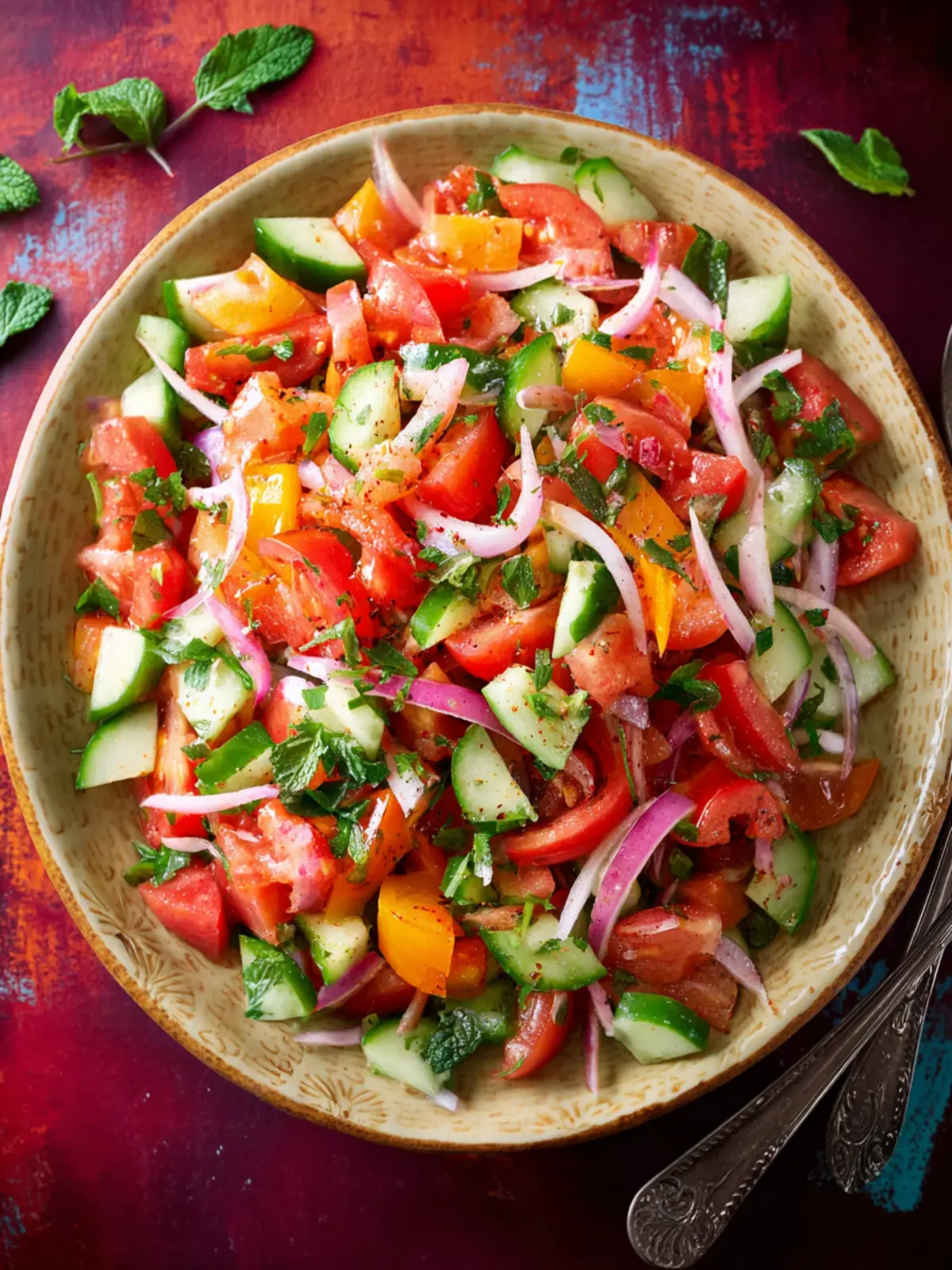
Variations of Arabic Salad
When it comes to the delightful world of Arabic salad, the beauty lies in its versatility and vibrant flavors. Many cultures within the Arab world have their own unique takes on this refreshing dish, showcasing local ingredients and traditions.
One beloved variation is the Fattoush, a Lebanese salad that beautifully incorporates toasted pita bread, giving it a satisfying crunch. The combination of fresh veggies like radishes, cucumber, and tomatoes is often complemented by a zesty sumac dressing, adding a delightful tang.
Another exciting twist is the Tabbouleh, a parsley-based salad that’s aromatic and herbaceous. In addition to bulgur wheat, it’s packed with finely chopped vegetables and brightened up with fresh lemon juice. This variation is perfect for those who enjoy a strong herb flavor.
Don’t forget about the Cucumber Yogurt Salad, often served alongside rich meats. With its creamy yogurt base, it’s soothing and balances spicier dishes beautifully. Just add garlic, mint, and a sprinkle of salt for a simple yet flavorful accompaniment.
No matter which Arabic salad you choose to create, each version offers a taste of its cultural heritage, ensuring that every bite tells a story. Embrace the journey of flavors that can transform your dining experience!
Cooking Tips and Notes for Arabic Salad
Creating the perfect Arabic salad is all about balancing freshness with vibrant flavors. This dish isn’t merely a side; it’s a centerpiece of Mediterranean gatherings. Picture yourself at a sunlit table, surrounded by friends and laughter, sharing bites of this colorful salad prepared with love. Here are some helpful tips to elevate your Arabic salad experience.
Choosing Fresh Ingredients
Freshness is key! When selecting vegetables, opt for ripe tomatoes, crisp cucumbers, and vibrant bell peppers. The crunchier, the better! A mix of colors not only makes your salad visually appealing but also adds a range of nutrients to your meal.
Dressing Matters
For the dressing, don’t overlook the importance of high-quality olive oil and fresh lemon juice. They can transform your Arabic salad into something extraordinary. Feel free to adjust the acidity to your liking; if you prefer a bit more tang, add an extra splash of lemon.
Herb It Up
Herbs like parsley and mint provide that authentic touch. Don’t hesitate to experiment with quantities; taste and adjust until it feels just right. Fresh herbs bring a burst of flavor that dried ones simply can’t replicate.
Let It Marinate
Allow your Arabic salad to sit for a little while before serving. This marination lets the flavors mingle beautifully, making each bite a delightful explosion of taste.
With these tips in mind, you’ll be well on your way to mastering the art of Arabic salad. Happy cooking!
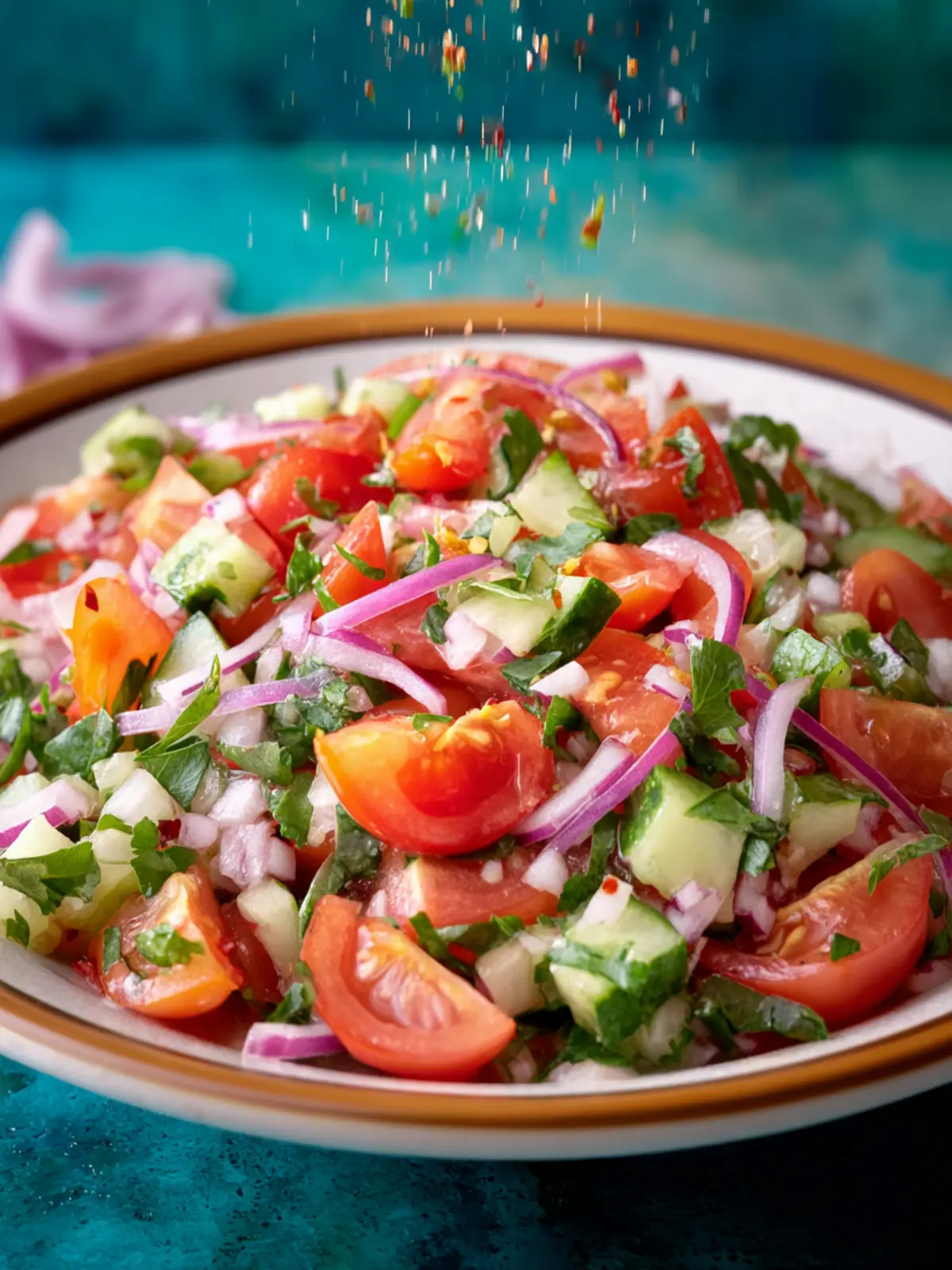
Serving Suggestions for Arabic Salad
Creating a delightful experience with Arabic salad goes beyond just mixing fresh ingredients. Each serving can transform into a culinary adventure, celebrating the vibrant flavors and textures this salad brings to the table.
Pairing Ideas for Arabic Salad
-
Grilled Meats: Serve your Arabic salad alongside succulent grilled chicken or lamb. The freshness of the salad beautifully complements the smoky flavors of grilled meats, making for a harmonious pairing at any lunch or dinner.
-
Warm Pita Bread: Nothing beats the satisfaction of scooping up your Arabic salad with warm, fluffy pita bread. It’s not just a tool for enjoyment; it adds another layer of texture and a delightful warm touch to your meal.
-
Rice Dishes: For a heartier meal, consider serving the salad with spiced rice dishes like Pilaf or Biryani. The cool crunch of the Arabic salad provides a refreshing contrast to the warmth of seasoned rice.
Creative Serving Ideas
-
In a Wrap: Incorporate the Arabic salad into a wrap with hummus and grilled vegetables for a quick, delicious lunch option. The explosion of flavors wrapped in a tortilla takes your lunch game to the next level.
-
As a Side Dish: This salad can shine on its own or as a zesty side for gatherings. Whether at barbecues, potlucks, or family dinners, it adds a burst of color and nutrition that’s sure to impress.
By thoughtfully pairing and serving your Arabic salad, you can elevate each meal to an extraordinary experience filled with flavor and enjoyment.
Time Breakdown for Arabic Salad
Preparation Time
Creating a vibrant Arabic salad is all about the freshness of ingredients. You’ll need about 15 minutes to chop and prepare everything. The beauty of this salad lies in its colorful, crisp vegetables that make every bite refreshing.
Total Time
In just about 15 minutes, you can have a delightful Arabic salad ready to serve. This quick preparation time ensures you can whip up a healthy side dish or a light meal without feeling rushed, making it perfect for busy weekdays or relaxed gatherings with friends. Enjoy the simplicity and taste of this Mediterranean favorite!
Nutritional Facts for Arabic Salad
Exploring the delicious world of Arabic salad reveals not just a feast for the senses but also a healthy option packed with nutrition. Every bite contributes to a balanced diet, making it a perfect choice for young professionals seeking wholesome meals.
Calories
A serving of Arabic salad typically contains around 150 calories. It’s a light dish that can easily complement other meals or stand alone as a refreshing snack.
Carbohydrates
This salad is rich in complex carbohydrates, primarily from fresh vegetables like cucumbers and tomatoes. Expect about 10-15 grams of carbohydrates per serving, providing sustained energy.
Protein
While not a primary protein source, Arabic salad offers approximately 3-5 grams of protein thanks to ingredients like chickpeas. This makes it a fantastic way to add variety to your diet without overloading on calories.
The vibrant flavors and impressive nutritional profile make Arabic salad a delightful choice for any meal. Enjoy this dish knowing you’re not just indulging in tasty ingredients but also fueling your body with essential nutrients.
FAQ about Arabic Salad
When it comes to preparing a delicious Arabic salad, many questions may arise. This vibrant dish not only brings a burst of flavor to your table but is also versatile, making it a favorite among food lovers. Let’s dive into some commonly asked questions that will help you make the most of your Arabic salad experience.
Can I make Arabic salad ahead of time?
Absolutely! Preparing your Arabic salad in advance can actually enhance the flavors. The key is to dress it just before serving to keep the ingredients crisp. You can chop your vegetables and mix them with spices earlier in the day; just store them in an airtight container. When you’re ready to serve, drizzle the dressing over the salad, giving it a good toss for fresh flavors. This method also works well for meal prep, providing a quick and nutritious option during the week.
What are some great additions to Arabic salad?
While the classic Arabic salad features cucumbers, tomatoes, and parsley, feel free to customize it! Here are some delightful additions:
- Feta Cheese: Adds a creamy texture and salty flavor.
- Chickpeas: Boosts protein and makes the salad heartier.
- Olives: Offers a briny flavor that complements the vegetables.
- Avocado: Enhances creaminess and healthy fats.
- Roasted Bell Peppers: Introduces a sweet and smoky taste.
These additions can transform your salad into a unique culinary experience tailored to your taste!
How can I change the dressing for this salad?
The dressing for Arabic salad is typically a simple mixture of lemon juice, olive oil, salt, and pepper. If you’re looking to switch things up, consider these variations:
- Tahini Dressing: Mix tahini with lemon juice, garlic, and water for a rich, nutty flavor.
- Yogurt Dressing: Combine plain yogurt with herbs and spices for a creamy, tangy option.
- Pomegranate Molasses Dressing: For a sweet and tart twist, add pomegranate molasses to your olive oil and lemon mix.
Experimenting with dressings allows you to create your signature version of this refreshing salad!
Conclusion on Arabic Salad
Bringing together a vibrant array of fresh ingredients, Arabic salad is not just a dish but a celebration of flavors, perfect for any occasion. This delightful blend of crisp vegetables and herbs serves as a refreshing side or a satisfying main. Whether enjoyed at a lively gathering or a peaceful dinner at home, it embodies the essence of simple yet flavorful cooking.
As you whip up your Arabic salad, remember each ingredient’s role—crunchy cucumbers, juicy tomatoes, and fragrant parsley come together to create a symphony of taste. Allow this beautiful salad to inspire you to explore more Mediterranean recipes that nourish both the body and soul.
Print
Chopped Salad
- Total Time: 15 minutes
- Yield: 4 servings 1x
- Diet: Vegan
Description
A refreshing chopped salad with tomatoes, cucumbers, red onion, radishes, and a zesty lemon dressing.
Ingredients
Scale
- 4 tomatoes
- 2 cucumbers
- 1 red onion
- 6 radishes
- 1 cup parsley (chopped)
- 3 tablespoons olive oil
- 1 lemon (juice of)
- 1 teaspoon kosher salt
- 1/4 teaspoon black pepper
Instructions
- Chop the tomatoes, cucumbers, red onion, and radishes into small, even pieces and place in a large bowl.
- Add in the parsley as well.
- Drizzle with olive oil and freshly squeezed lemon juice.
- Season with salt and black pepper and toss well to combine.
- Taste and adjust seasoning if needed.
- Serve immediately.
Notes
- Adjust the seasoning based on personal preference.
- This salad is best served fresh.
- Prep Time: 15 minutes
- Category: Salads
- Method: No-cook
- Cuisine: Mediterranean
Nutrition
- Serving Size: 1 cup
- Calories: 150
- Sugar: 3g
- Sodium: 220mg
- Fat: 12g
- Saturated Fat: 1.5g
- Unsaturated Fat: 10g
- Trans Fat: 0g
- Carbohydrates: 12g
- Fiber: 4g
- Protein: 2g
- Cholesterol: 0mg